Employee Self Service Meaning: The Basic Definition
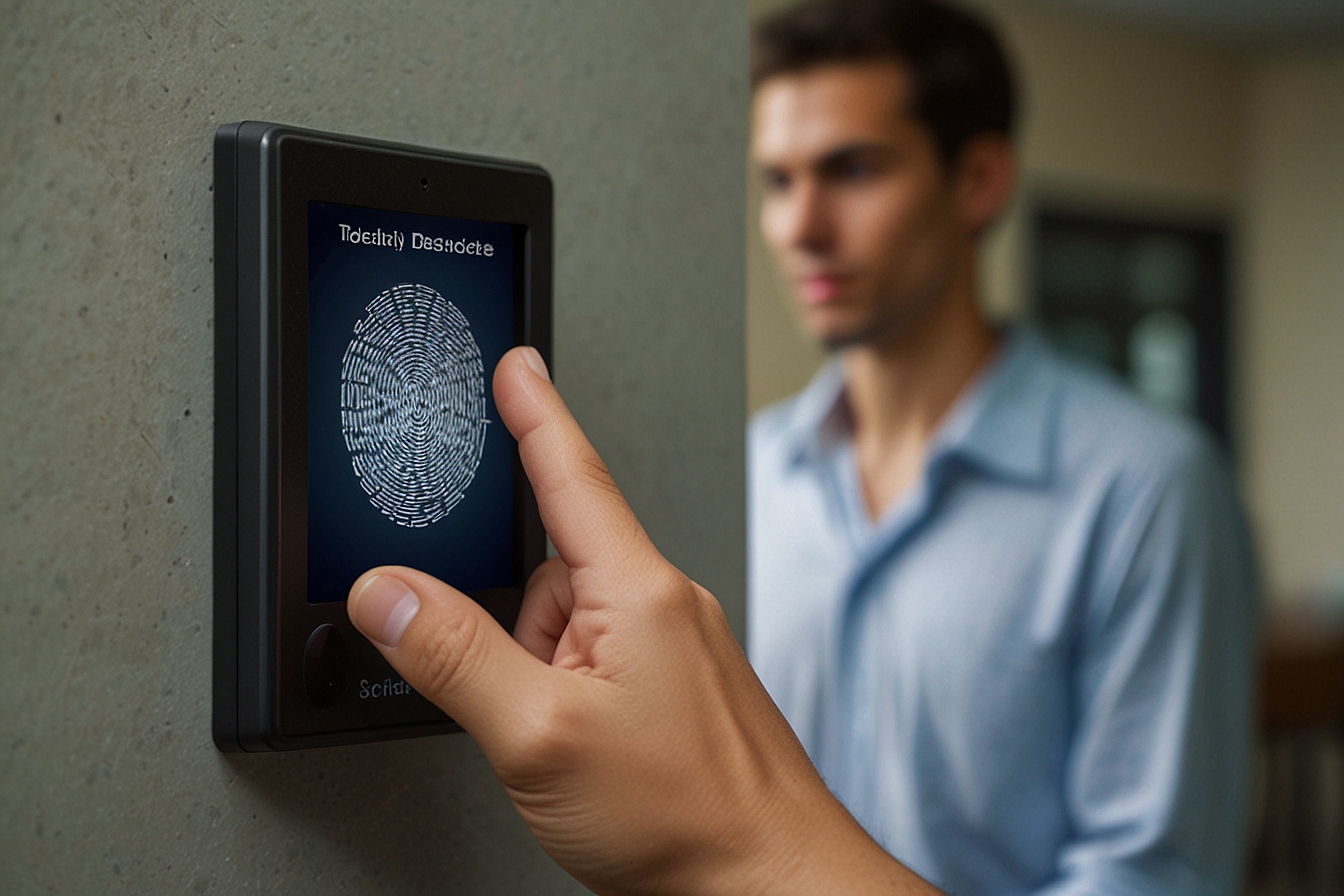
An employee self-service, abbreviated as ESS, is a digital platform through which employees can view and edit their own information independently of the human resources (HR) department.
The employee self service system meaning focuses on the empowerment concept: the employee takes control of their data rather than the HR team managing all the data on behalf of the employees.
An employee self-service (ESS) portal enables employees to view payslips, submit leave applications, update their personal information, download relevant employment letters, check attendance, and access all other formal and statutory company information with ease, all from their login dashboard.
What distinguishes a good Employee self service Dubai is not what it can do, but rather that it can do everything from a single place, on any device, at any time.
What Is an Employee Self Service Portal?
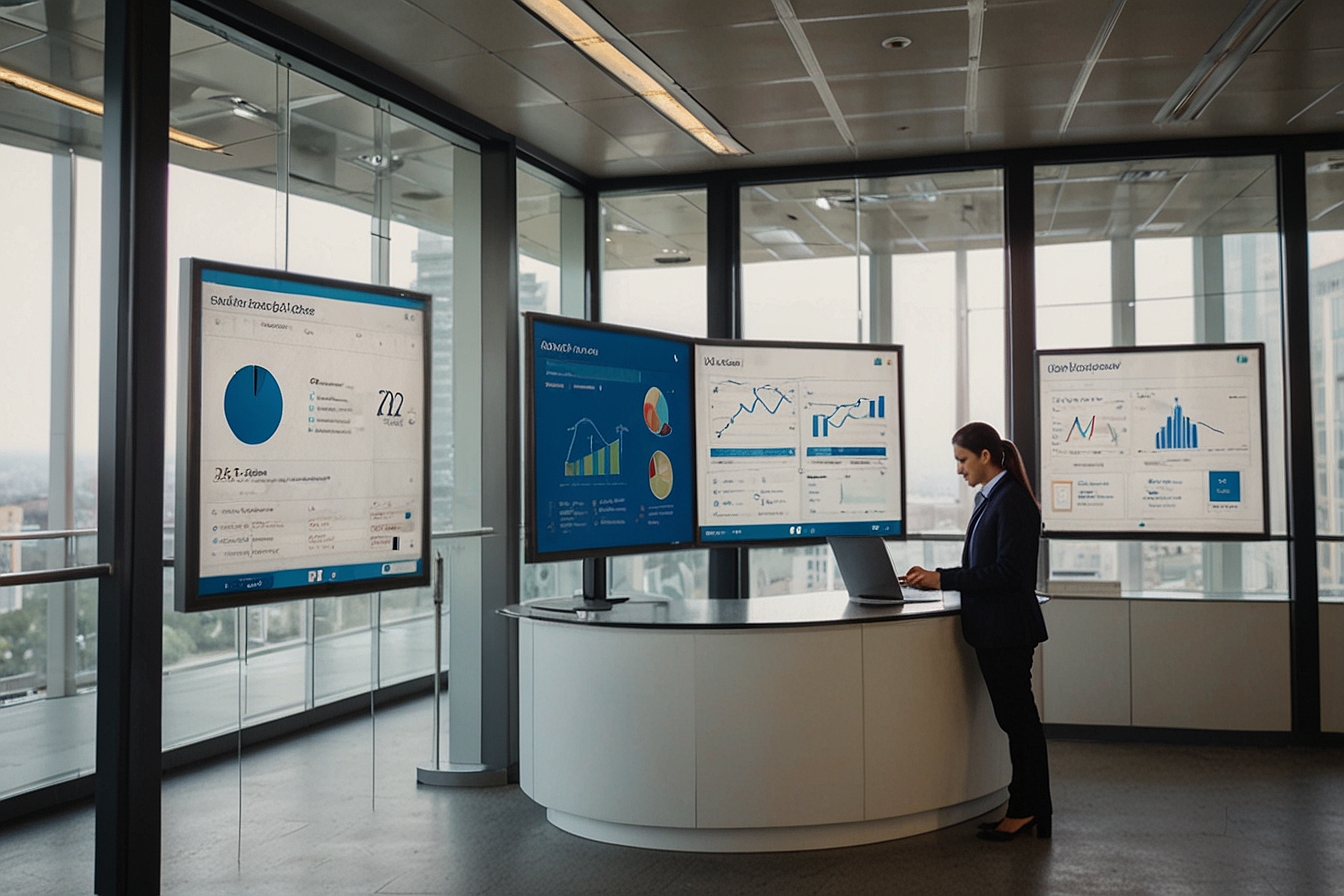
An employee self service portal is the website or mobile application through which employees can access their Employee self service system. It is the landing page of the employee self-service system. The portal is part of a larger employee self-service and human resource management system (HRMS) software. The portal is often connected to other systems such as payroll and attendance software to enable seamless data transmission between the different systems. Whenever an employee applies for leave through their self-service portal, the attendance system is automatically updated. No manual intervention from the HR department is needed.
Typically, the portals are cloud-based, which means the employee can access the portal from any device and at any location. It has become easier for organisations to adopt ESS because of the mobile access to the employee self-service portals.
How Does an ESS Employee Self Service Work?
It is important to understand how an ESS system works so that we can set expectations. Here is how an ESS employee self-service Saudi Arabia typically works:
● Employees log in to their dashboard. Every employee has their own dashboard. The employee data and actions are restricted and visible to them only. Some employees may get the Manager Self-Service (MSS), which grants them access to their team members' data, including attendance and leave approvals.
● Employees perform their desired actions. An employee chooses what to do from the dashboard and performs the desired action, such as requesting a leave, viewing a payslip, or editing their personal information.
● Automated actions are triggered. When the employee sends a request, the ESS system automatically detects the appropriate action. The system notifies the manager, allowing them to approve the request. The ESS system updates the leave balance when a leave application is approved and updates the payroll when a leave application is rejected.
● Manual intervention is reserved for exceptional cases. HR officers do not process employee requests unless there are special situations that require them. Manual intervention is not required for every action the employee initiates through the ESS system.
Key Features to Look for in an ESS System
Not all employee self-service systems are the same. When looking for an ESS system, here are the main features to consider:
● Leave management: The ESS system should allow employees to apply for leaves while managers approve requests and leave balances update automatically.
● Access to payroll: Employees should have visibility into their own financial data and can request adjustments directly from their portal.
● Personal information update: An employee self-service system allows employees to update their personal information directly in the database, eliminating the need for HR to re-enter data.
● Document centre: Employees should be able to access employment-related documents such as contracts, offer letters, and company policies from a centralised repository.
● Attendance records: Employees can view their clocked-in time and flag any incorrectly recorded attendance.
● Performance data: Appraisal results and performance-related information are accessible via the employee portal.
● Alerts and notifications: Automated alerts notify employees when their leave requests are approved or denied and prompt action on pending items.
For AI-powered HRMS like Voyon Folks, the ESS system has intelligent alerts and insights. Employees can view their leave balances, managers can receive attrition warnings for their staff, and HR executives can receive compliance notices. More information can be found at voyonfolks.com.
Advantages of Employee Self Service
Reduces the administrative workload for HR
The most obvious benefit of an employee self-service system is that it saves the HR department significant time and effort. Data shows that up to 60 percent of HR tasks are repetitive and transactional. For instance, 43 percent of HR queries in one survey were about payslips and 32 percent were about leave balances. An employee self-service system eliminates the need for employees to contact HR for such requests. A small team of 5 can save about 15 to 20 hours per week.
Decreases the possibility of data entry errors
When employees update their own information, the likelihood of human error is reduced since they enter it directly into the database. Direct self-service eliminates the double-entry risk that occurs when employees fill out forms and HR officers re-enter the data manually.
Saves time processing requests
Processes like approving leaves are significantly accelerated. Approval requests reach managers on their mobile phones in real time rather than being sent via email. The process takes minutes rather than two or three days.
Improves employee experience and empowerment
Employees feel empowered when they have access to their own information. They can log in from their mobile phones at 9pm on a Sunday to check their leave balance rather than waiting for the HR office to open. The ESS system enhances the employee experience while increasing their level of autonomy.
Supports remote and hybrid working arrangements
The ESS system eliminates the need for employees to come to the office for HR-related tasks. Remote employees can conduct all HR procedures from home. Field staff can update or check their attendance data from various worksites.
Disadvantages of Employee Self Service
Employee adoption can sometimes be slow
Not all employees are quick to embrace new technology. Some can be resistant to the transition and slow to start using the ESS system. It is important to assist such employees so they understand the benefits and begin to use it regularly.
Implementation takes time
The ESS system needs to be customised and configured to fit the organisation's needs. This might take 4 to 8 weeks for organisations of 100 to 500 employees. Rushing the process can result in data migration errors that frustrate employees from day one.
May contain inaccurate data at launch
Most organisations have employee data spread across various systems. Migrating this information accurately to the new ESS system is critical. The system will only be a source of frustration if it does not provide accurate leave balances or personal records from the start.
Does not eliminate the need for HR
The ESS system automates several processes but cannot replace the HR department entirely. Human interaction is required for disciplinary actions and sensitive employee concerns. The ESS system is a support to HR officers, not a replacement.
Security and access permission issues can arise
The ESS system must be set up correctly so that employees can only view their own data. Incorrect permissions can cause employees to see each other's data, which is a serious problem when the data is confidential.
Benefits of Employee Self Service Portal for Managers
The benefits of employee self-service portal access extend to managers in specific and measurable ways:
● Managers can view their team members' data in real time, including attendance and leave balances, without requesting reports from HR
● They can approve leave applications and other requests directly from their mobile phones
● They gain access to Manager Self-Service (MSS), which allows them to view team attendance, request leaves on behalf of employees, and review performance data
● Employees are less likely to interrupt managers for information they can access themselves
Who Benefits Most From an Employee Self-Service System?
Some organisations benefit more than others from adopting an ESS system. An employee self-service system is particularly valuable for:
● Organisations with 50 or more employees where HR query volume is high
● Organisations with remote or hybrid workforces where physical HR access is not possible for all staff
● Organisations with high staff turnover where onboarding and offboarding documentation is frequent
● Organisations in regulated industries requiring statutory compliance documentation
● Organisations growing rapidly without proportional growth in HR headcount
Conclusion
An employee self-service system speeds up transactions but, more importantly, changes the way HR operates by relieving it of day-to-day administrative duties. The advantages of employee self-service include improved efficiency, increased productivity, reduced errors, and a better employee experience. The drawbacks are primarily related to implementation effort and adoption management.
Most organisations currently run HR processes manually or with basic systems. Employee self-service portals can be incorporated into an organisation's current system, or the company can invest in an end-to-end smart HRMS solution with artificial intelligence capabilities.
Voyon Folks HRMS has an intelligent and intuitive employee self-service portal that incorporates numerous ESS features and is accessible from any mobile device. The system's security features prevent unauthorised access to employee data. To learn more, visit voyonfolks.com.
FAQs
What is a self-service system?
A self-service system is a tool or platform that lets users find answers, complete tasks, or buy goods on their own without help from a worker. Common examples include ATM machines, grocery self-checkouts, online help centers, and digital IT portals.
How does employee self-service work?
Employee self-service (ESS) works through a secure digital portal or mobile app that lets workers handle routine HR and IT tasks without emailing or calling the human resources department
What is ESS in HRMS?
ESS in an HRMS stands for Employee Self-Service, which is a digital portal or mobile app that lets workers handle their own routine human resources and payroll tasks without asking HR staff for help.
What are the different types of employee self-service platforms?
Employee self-service (ESS) platforms are digital tools that let staff handle personal data, pay details, and HR requests without help from human resources. They reduce paperwork and give workers direct control over their routine administrative tasks
What are some examples of self-service services?
A self-service example is an online order-tracking portal where an e-commerce customer logs in, views shipping progress, and initiates a return without talking to a human
What is ESS in salary slip?
ESS stands for Employee Self-Service, which is a digital portal or mobile app that allows workers to log in, view, and download their salary slips without needing to ask the HR or payroll department